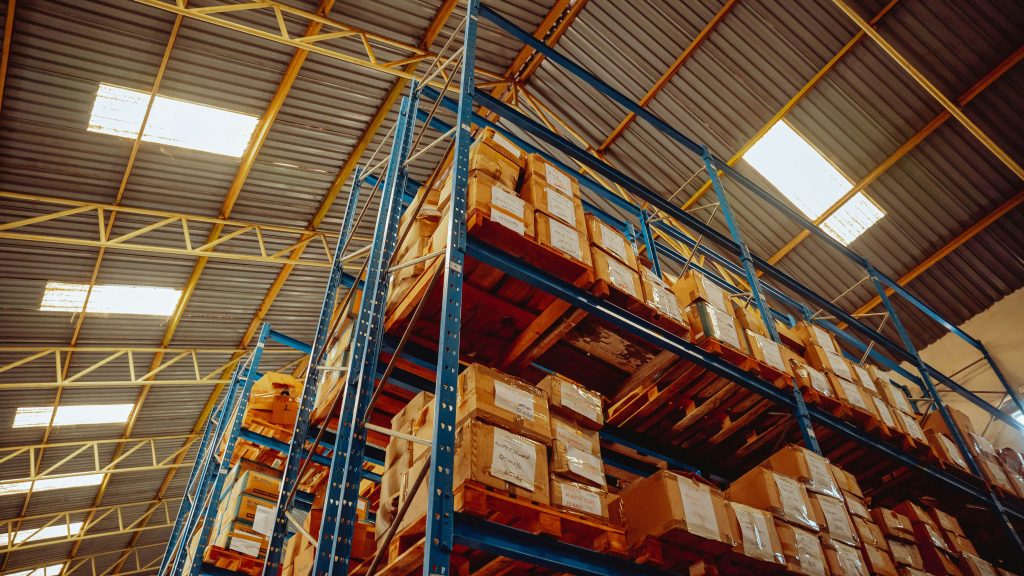
LCL (Less than Container Load) cargo fumigation is a pest control process designed to disinfect shared or consolidated cargo shipments. Since multiple exporters’ goods are packed together in one shipping container, fumigation ensures that no single consignment contaminates others through pest infestation.
This process is essential for export and import compliance, as most destination ports require proof that the cargo is free from live insects, eggs, or larvae. LCL fumigation helps maintain cargo quality and prevents quarantine delays or rejections at customs.
Cargo Inspection & Preparation:
Our technicians first inspect the goods, packaging, and pallets for pest signs or organic residues. Commodities are stacked to allow free gas circulation within the shared space.
Sealing & Containment:
The fumigation area (container, chamber, or tented section) is airtightly sealed using fumigation sheets or gas-proof plastic liners to prevent leakage.
Fumigant Application:
A controlled dose of Phosphine gas (Aluminum or Magnesium Phosphide) or Methyl Bromide is introduced, depending on cargo type and destination country requirements. The gas penetrates deeply into packaging materials and wooden pallets, eradicating pests at all life stages.
Exposure Period:
The goods remain sealed for 24 to 72 hours, allowing the fumigant to act effectively. During this period, gas concentration and temperature are carefully monitored to ensure full efficacy.
Aeration & Clearance:
After exposure, the area is ventilated thoroughly to remove all residual gas. The fumigation team then performs gas-level testing to confirm the space is completely safe for handling and transport.
All treatments are performed by licensed fumigation professionals under NPQS, FAO, and ISPM-15 guidelines. We use EPA-approved and eco-safe fumigants, ensuring no residue remains on goods.
Upon completion, the cargo receives an official Fumigation Certificate, which serves as proof of compliance for export and import clearance.
Ensures all shared cargo remains pest-free and contamination-free.
Meets international phytosanitary and quarantine standards.
Safe for all packaging types including wood, plastic, and metal.
Quick turnaround with certified documentation for customs clearance.
Prevents costly shipment delays and port rejections.
After completing the treatment, we provide a detailed inspection report and recommend preventive maintenance schedules. Regular monitoring and soil re-treatment every few years ensure long-term protection against re-infestation.
Customers receive a warranty period (commonly 3–5 years) based on the treatment type and building condition.
After fumigation, cargo should be kept sealed or handled in pest-free environments to avoid re-infestation. We also provide regular cargo inspection and preventive maintenance services for exporters and freight forwarders.
Common factors include air pollution, UV rays from the sun, dust, humidity, and temperature changes. These can damage skin cells, cause dryness, or lead to premature aging.
Pollution contains harmful particles and toxins that can clog pores, cause acne, dark spots, and make the skin look dull or irritated over time.
Yes. UV rays penetrate clouds and can still cause sunburn, wrinkles, and increase the risk of skin cancer. Always use sunscreen, even on cloudy days.
Cold weather can dry out skin and cause flakiness, while hot and humid weather can increase oil production and sweat, leading to breakouts.
Cleanse daily, moisturize regularly, use sunscreen, stay hydrated, and maintain a balanced diet rich in vitamins and antioxidants. Avoid smoking and limit exposure to pollution when possible.
Copyright © 2025 Global Pest Tech Pvt Ltd, All rights reserved. Powered by Harish Prasanth