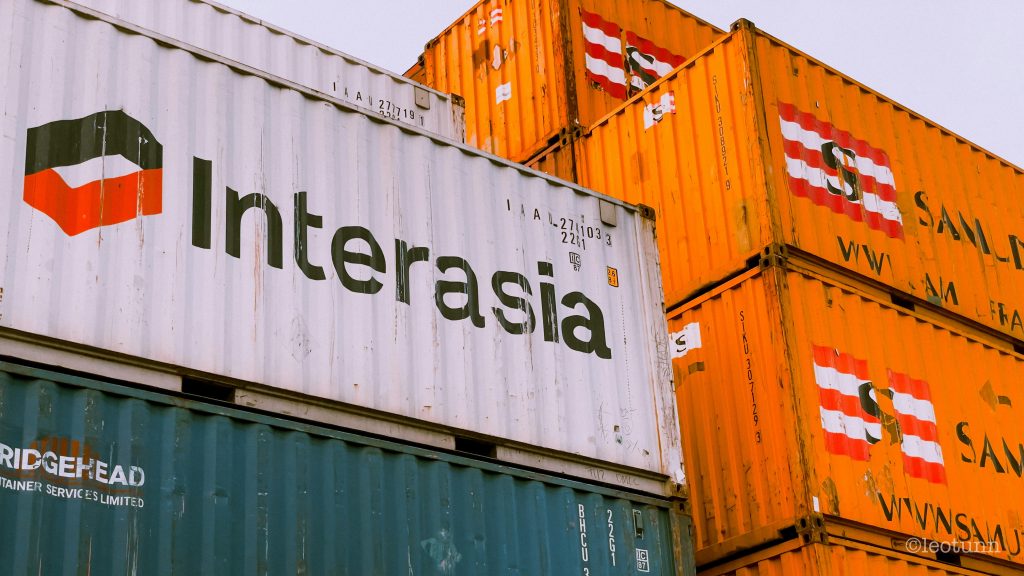
Container fumigation is a specialized pest control process carried out on export and import shipping containers to eliminate insects, larvae, eggs, and rodents that may infest stored goods during transportation. It ensures that commodities such as agricultural produce, timber, textiles, machinery, and packaged food remain pest-free and compliant with international quarantine standards.
Many countries require fumigation certification before cargo entry, making container fumigation an essential part of global trade hygiene and compliance under ISPM-15 regulations.
Inspection & Preparation:
Before fumigation, containers are inspected for pest activity, cleanliness, and cargo condition. The container doors, floor, and vents are checked to ensure they can be airtightly sealed during the process.
Sealing the Container:
Once the goods are properly loaded, the doors and vents are sealed using specialized fumigation tapes or plastic sheets to prevent gas leakage and ensure effective treatment.
Fumigant Application:
A controlled amount of Methyl Bromide or Phosphine gas (Aluminum or Magnesium Phosphide) is released inside the container. The dosage and exposure time depend on the cargo type, temperature, and target pest species.
Exposure Period:
The fumigant is allowed to act for a specific duration (typically 24 to 48 hours) to penetrate all packaging materials and reach hidden pests.
Aeration & Gas Clearance:
After the exposure time, the container is ventilated thoroughly in a safe area until gas concentrations are reduced to permissible limits. The container is then tested using gas detection equipment to confirm it is safe for handling and transport.
All fumigation operations are conducted by licensed and trained professionals following FAO, WHO, and IMDG (International Maritime Dangerous Goods) guidelines. We use EPA-approved fumigants, ensuring safety for both goods and personnel.
The treated container receives a Fumigation Certificate, which is mandatory for export clearance at ports and destination customs authorities.
Ensures pest-free shipment during sea or land transport.
Complies with ISPM-15 export/import regulations.
Prevents cargo contamination and quarantine rejection.
Safe, residue-free treatment with professional supervision.
Suitable for both full container loads (FCL) and less than container loads (LCL).
After fumigation, containers should be kept sealed until export to prevent re-infestation. Proper cargo hygiene and moisture control are advised for long-distance shipments.
Common factors include air pollution, UV rays from the sun, dust, humidity, and temperature changes. These can damage skin cells, cause dryness, or lead to premature aging.
Pollution contains harmful particles and toxins that can clog pores, cause acne, dark spots, and make the skin look dull or irritated over time.
Yes. UV rays penetrate clouds and can still cause sunburn, wrinkles, and increase the risk of skin cancer. Always use sunscreen, even on cloudy days.
Cold weather can dry out skin and cause flakiness, while hot and humid weather can increase oil production and sweat, leading to breakouts.
Cleanse daily, moisturize regularly, use sunscreen, stay hydrated, and maintain a balanced diet rich in vitamins and antioxidants. Avoid smoking and limit exposure to pollution when possible.
Copyright © 2025 Global Pest Tech Pvt Ltd, All rights reserved. Powered by Harish Prasanth